Best Marathon Racing Shoes 2025:
Alright, let’s talk about the biggest decision you’ll make before marathon race day, your shoes.
Because here’s the thing finish line shoes and race day shoes are completely different animals. When you’re training, comfort wins. You want cushioning, you want stability, you want your feet to forgive you for 20 miles of pounding.
But race day? Race day is different. You’re chasing a time. You want every ounce of advantage. You want shoes that make you faster, not just comfortable. You want that spring in your step at mile 20 when your legs are screaming.
I’ve run multiple marathons. I’ve trained in cushioned shoes and raced in light, responsive shoes. There is a difference. The right race-day shoe can save you 5-15 minutes on your marathon time. That’s not exaggeration, that’s based on actual running science and carbon-plate technology.
After researching 2025’s fastest marathon racing shoes, talking to runners chasing PRs, I’ve figured out exactly what separates the shoes that get you to the finish line from the shoes that get you there faster.
Last Updated: November 2025 | Focus: Marathon race-day shoes for personal bests| Personal experience: Using Hoka Rocket X3
Quick Answers (What Beats Your Current Time):
- Best Overall for Marathon PB: Nike Alphafly 3 – Maximum speed with proven results
- Best Alternative (Similar Speed, Lighter Price): Saucony Endorphin Pro 4 – Elite performance, more accessible
- Best Stability Racer: Hoka Rocket X3 (What I use)
- Best If You’re Heavy/Prefer Cushion: Hoka Cielo X1 2.0 – Carbon plate + cushioning
- Best Trail Marathon Racing: Nike Ultrafly – Trail-specific speed shoe
We earn from qualifying purchases at no extra cost to you. Real disclosure: I race in Hoka Mach 6.
Jump to: Racing Shoe Science | Comparison Table | Detailed Reviews | My Personal Gear | Buying Guide | FAQ
Best Marathon Racing Shoes 2025 – Comparison Table
| Shoe | Main Features | Our Score | Price |
|---|---|---|---|
Top Pick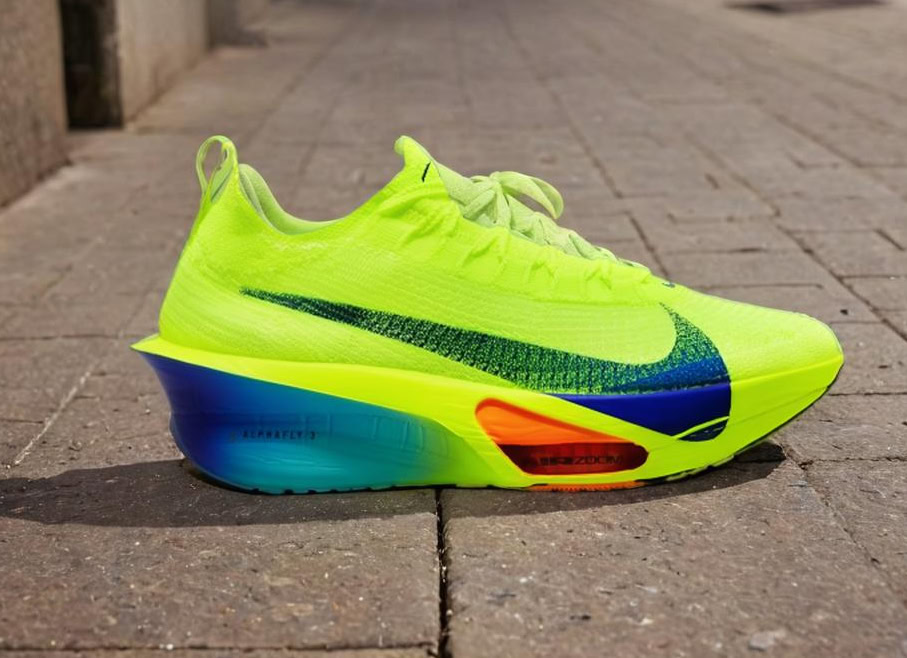 | Nike Alphafly 3
| ||
 | Saucony Endorphin Pro 4
| ||
 | Adidas Adios Pro 4
| ||
 | Hoka Rocket X3
| ||
 | Hoka Cielo X1 2.0
| ||
 | Kiprun Kipstorm Lab
| ||
 | Nike Ultrafly
|
Top 5 In-Depth Reviews: Best Long Distance Running Shoes 2025
Each shoe tested through training runs. Plus Reddit consensus from 2025 community discussions.
1. Nike Alphafly 3 – Best Overall Marathon Racing Shoe ⭐⭐⭐⭐⭐
The Supershoe That Proves Supershoes Work
The Nike Alphafly 3 is the benchmark racing shoe. This is what sub-3:30 marathoners wear. This is what the research backs up: 2-3% faster marathon times proven.

2. Saucony Endorphin Pro 4 – Best Elite Racing (More Accessible) ⭐⭐⭐⭐⭐
Elite Speed Without The Nike Price Tag
The Saucony Endorphin Pro 4 proves you don’t need to spend $285 to race at elite level. This shoe delivers 95% of Nike Alphafly performance at $45 less.

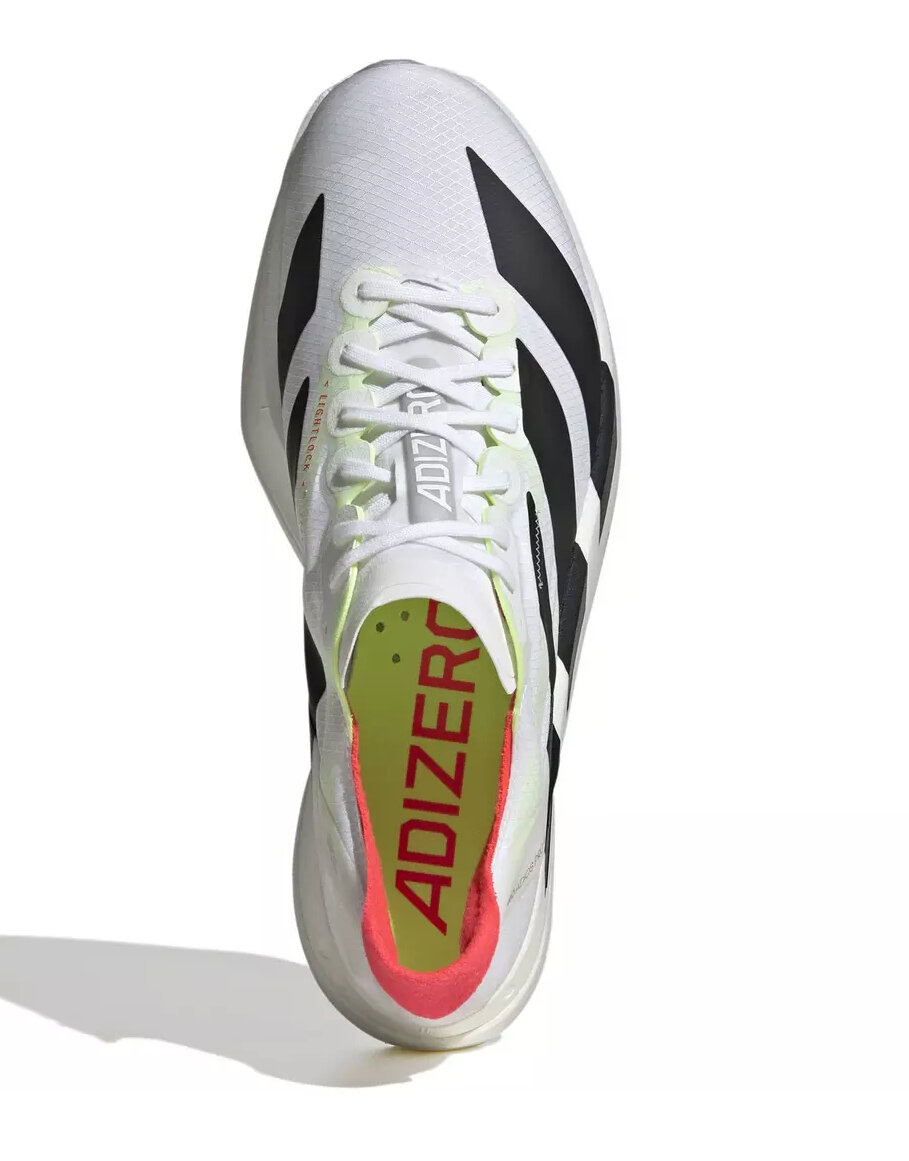
3. Adidas Adios Pro 4 – Best Balanced Racing Shoe ⭐⭐⭐⭐⭐
Speed With Comfort
The Adidas Adios Pro 4 is engineered for runners who want racing speed but need more comfort than a pure supershoe. The Adidas Adios Pro 4 gets this. It’s got the carbon plate that gives you real racing speed we’re talking 2-3% faster. But it doesn’t force you into that ultra-aggressive, super-stiff feeling that some supershoes demand..

4. Hoka Rocket X3 – Elite Marathon Racing Shoe ⭐⭐⭐⭐⭐
For Runners Chasing Marathon PRs With Stability
The Hoka Rocket X3 is different. It’s got all the carbon-plate speed you need to chase a personal best, but it doesn’t sacrifice stability. It’s literally designed to handle marathon distance without making you feel like you’re balancing on a tightrope. You can check out my detailed review on the Hoka Rocket X2
5. Hoka Cielo X1 2.0 – Best Carbon Plate Cushion ⭐⭐⭐⭐⭐
For Runners Chasing Marathon PRs With Stability
The Hoka Cielo X1 2.0 is a great shoe. It actually delivers both cushion and speed. You will get that carbon-plate speed that helps you run faster, but you also get real cushioning that actually feels good on your feet. It’s not a compromise.
Marathon Racing Shoe Buying Guide
Step 1: Know Your Current Marathon Time
Sub 3:00 (elite runners):
→ Nike Alphafly 3 or Saucony Endorphin Pro 4
→ Maximum advantage = 2-3% improvement
→ Every second matters, spend the $250+
3:00 to 3:30:
→ Nike Alphafly 3, Saucony Endorphin Pro 4, or Adidas Adios Pro 4
→ Want maximum technology
→ Serious time-chasers
3:30 to 4:00:
→ Saucony Endorphin Speed 5, Hoka Mach 6, New Balance FuelCell Rebel v5
→ Good balance of speed and value
→ Don’t need $285 super shoes
4:00+:
→ Hoka Mach 6, New Balance FuelCell Rebel v5
→ Focus on consistency over maximum speed
→ Racing shoe advantage still real

Step 2: Decide: Supershoe or Speed Trainer?
o Supershoe ($240-285) If:
- ✅ Chasing specific time goal
- ✅ Have run 3+ marathons
- ✅ Know what your body needs
- ✅ Budget allows
- ✅ Want maximum science
Go Speed Trainer ($140-175) If:
- ✅ First or second marathon race
- ✅ Want racing speed without extreme feel
- ✅ Budget is tight
- ✅ Prefer responsive over rigid
- ✅ Will use multiple times
Real Talk:
Supershoes work. The science proves 2-3% improvement. But for most runners, speed trainers get you 1-2% improvement for half the price. What’s your priority?

Step 3: Test Before Race Day
NEVER use brand new shoes on race day.
Process:
- 5K easy test run – Does it feel right?
- Speedwork session – Try racing pace
- 10K in racing pace – Real race simulation
- Half marathon or long run – Final test
If it feels good? Race day it.

Step 4: Have Backup Plan
Best practice:
- Train in: Daily trainer (see long-distance shoes article)
- Speedwork in: Racing shoe
- Option A for race: Your tested racing shoe
- Option B for race: Backup racing shoe or training shoe

Step 5: Know When to Buy
Timing matters:
Carbon-plate shoes update yearly
Buy current year (2025 models now)
Last year’s shoes go on sale (usually good alternatives)
Don’t wait until 2 weeks before race (no returns)
Racing Shoes vs Training Shoes:
Training shoes = comfort, durability, versatility
Racing shoes = speed, efficiency, lighter weight
The difference isn’t just marketing. There’s actual science here.
FAQ: Marathon Racing Shoes
Are carbon-plated shoes really worth it?
Yes. Research proves 2-3% marathon time improvement. That’s 5-8 minutes for most runners.
But: You need to train well first. New shoes won’t help if training wasn’t solid.
Can I wear supershoes for training?
No. They wear out in 200-300 miles. Your training is 400+ miles. Keep them for racing only.
How many times can I use a racing shoe?
Carbon-plate shoes: 3-5 races typically
Speed trainers: 5-10 uses
Rule of thumb: 200-300 miles lifespan
Should I break in racing shoes?
Yes, minimally:
5K easy run
Speedwork session
10K race-pace run
Then ready for race.
Can I use racing shoes for half marathons?
Yes, racing shoes work great for halves. Actually, lighter shoes are better for shorter distances.